


Introduction
Vienna. 5th of December 1791.
Wolfgang Amadeus Mozart, the greatest composer of his generation, lies dead in his bed. Suddenly. Mysteriously.
And for two hundred years, we thought we had the perfect solution.
It was Salieri, Mozart’s jealous rival. With arsenic. In Mozart’s own bedroom!
Dramatic. Clean. Almost perfect. But this solution is a lie.
A myth told in plays, operas, and films.
Today, I’ll prove it to you. And I’ll also tell set you on the trail of the real killer.
A killer even more terrifying than any jealous rival!
Chapter 1: Salieri Did It!
My dear Fedoras, my welcomed newcomers: let’s look into the classic solution.
This theory has a clear offender.
Antonio Salieri. Imperial Kapellmeister. The most powerful musician in Vienna. A man with the ear of the Emperor and a stranglehold on the city’s main venues.
He had the means and the opportunity to kill Mozart. Mozart himself told his wife he felt he was being poisoned!
Most importantly, Salieri had a motive. Wolfgang Amadeus Mozart was such a genius, Salieri risked losing his power.
Wolfgang knew of Salieri’s antipathy. For years, he had moaned about “Italian cabals” plotting in the shadows to block his career. They wanted to stop his operas from being performed. They stole his good paying students.
“As to the Princess of Württenberg and my hopes to be appointed as her teacher, well, that’s all decided now. The emperor killed it for me, for the only one who counts in his eyes is Salieri.” wrote Mozart in November 1781, after he lost a prestigious teaching position.
The most damning evidence, though, came from Antonio Salieri himself.
1823. Thirty-two years after Mozart’s death. Salieri, 73, is in a hospital. In pain, his mind gone. He’s suffering from “dark delusions”. And in his ravings... he confesses.
“I killed Mozart. I poisoned him”.
The news spread like wildfire. It hit the gossip columns. People talked about it. In ballrooms, in salons, in business clubs. It was a theory fitting the romantic mind. The mediocre man finally took his revenge on the genius.
Pushkin wrote a play about it. Rimsky-Korsakov featured the theory in an opera. And the myth lived on.
Peter Shaffer’s Amadeus premiered in 1979. Milos Forman’s film came out in 1984.
Even for modern audiences, Salieri is Mozart’s murderer.
Or is he?
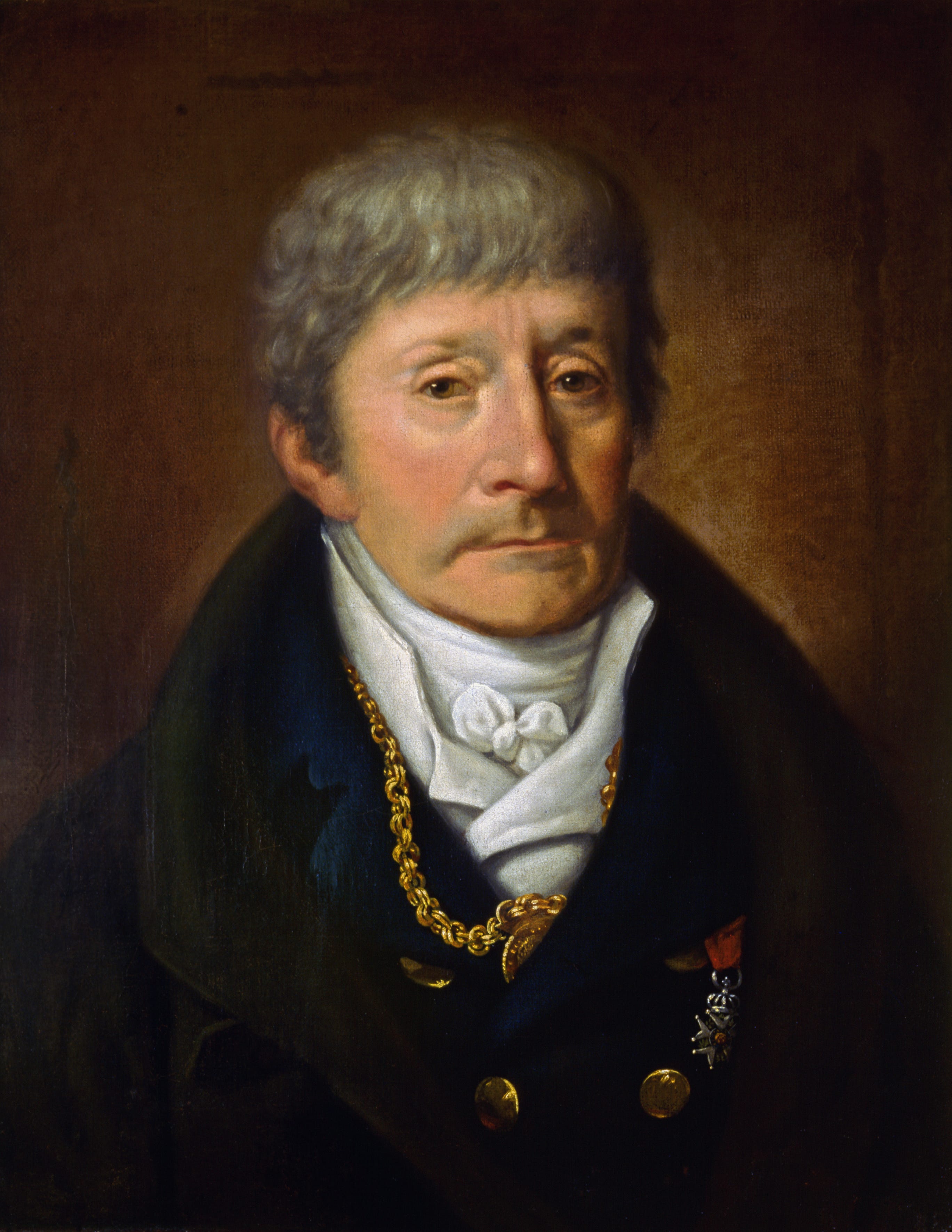
Chapter 2: No, He Did Not
The case against Salieri falls apart the moment you look at historical facts.
Even if their relationship got off on the wrong foot, Salieri and Mozart learnt to respect each other. In fact, by 1791, the year Mozart died, they had become friends.
Salieri wasn’t blocking Mozart anymore: he was helping him.
When Salieri was too busy to write an opera for the Emperor’s coronation, who got the gig? Mozart. With Salieri’s blessings.
And then, one night, in that fatal 1791...
Salieri honoured Mozart in his private box for a performance of The Magic Flute.
Salieri loved the opera. Mozart himself recounted the occasion in his last letter to his wife.
“Salieri listened and watched most attentively and from the overture to the last chorus there was not a single number that did not call forth from him a bravo! or bello!”
Does that sound like a man consumed by envy? Preparing to kill a rival?
So, what about that confession we talked about?
I’m afraid those were the ravings of a feebleminded dying man. Retracted as soon as Salieri got a bit better.
The last piece of evidence? Mozart’s himself.
He experienced none of the symptoms of arsenic poisoning. No metallic taste in his mouth. No burning throat. No trembling hands.
The doctors at the time saw nothing suspicious. As far as venoms were concerned, that is.
The “Salieri did it” theory is hogwash. A story invented by blabbermouths and developed by dramatists. It’s fiction ignoring the real symptoms.
Perhaps it’s time to look at a different culprit. Something more mundane and more sinister than a man lurking in the shadows.
Hit that like button, share this video with your friends and enemies, and let’s continue this investigation together!
Chapter 3: A Bohemian Genius
If we want to understand what killed Mozart, we should look into who Mozart really was.
We have this image of Mozart… The eternal child. Laughing along the way, nothing really troubling him.
Another historical nonsense coming from the pen of playwrights.
But Mozart was a real person, leading a hard life.
Take 1791, his last year.
Mozart was normally up at six in the morning. He composed until nine. Then he gave lessons. More composing after a quick lunch.
Partying all evening? You bet. Socialising helped growing the business.
And then, when the party was over: working late into the night. Sometimes until one in the morning.
Four or five hours of sleep and then on with a new day, on repeat.
In that 1791 Mozart had completed 2 big operas, a string quartet, a clarinet concerto, minuets, songs, dances... and he had started his famous Requiem.
Sure, he was earning well… — he pocketed the equivalent of 1 million euros that 1791 — ...but the money was still very tight. Due to past debts, his wife’s illness, and keeping up the appearances.
This stress would have made a strong man tremble. But Mozart had never been strong.
Small and pale, he’d been a delicate child. Plagued by diseases throughout his life.
Scarlet fever, typhoid, smallpox, rheumatic fever, hepatitis. Thirty-five years of health issues. Some never fully resolved.
Suffering from headaches and depression, Wolfgang Amadeus Mozart was like a house of cards. And a tornado was brewing.
What tornado, you ask?
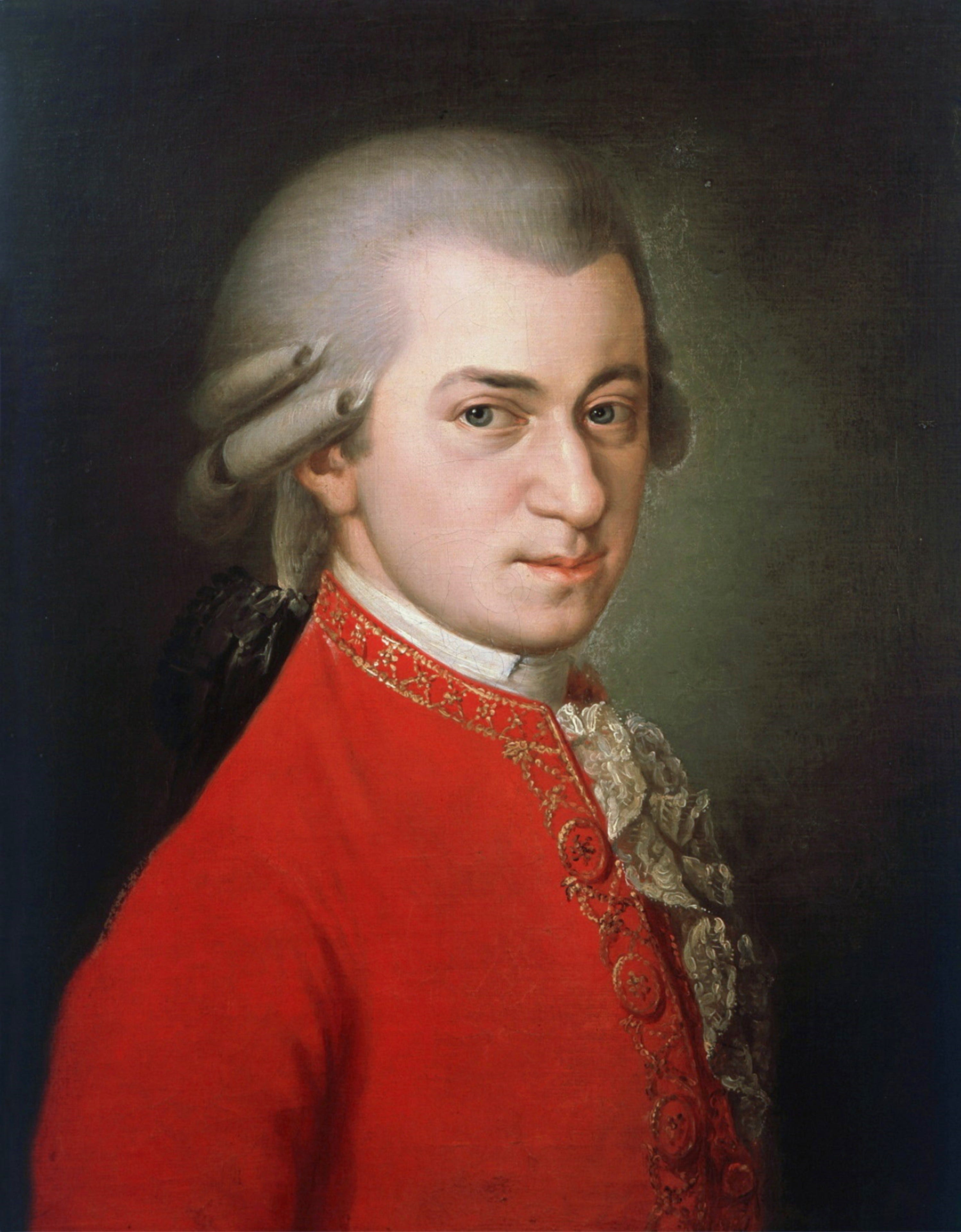
Chapter 4: The Real Killer!
The 20th of November 1791.
That’s when it started to go down.
Mozart took to his bed. He was suddenly unable to move, all swollen up. Hands, feet, belly, face.
It was an Edema. Swelling due to excessive liquid in body tissues.
And then the fever came. A high fever. With rashes covering his skin.
Mozart started vomiting and suffering from diarrhea.
What caused this horrible malady?
Modern researchers have combed through the records. They looked at the death registers in Vienna for Winter 1791. They found young men were dropping like flies. All with the same symptoms. Edema, fever, vomit.
The killer wasn’t a person. It was a microbe.
Streptococcus.
An epidemic of streptococcal infection raged through Vienna that winter. “Acute Nephritic Syndrome”. The infection attacked the kidneys, causing them damage. And if the damage was too much, the kidney failed.
Mozart’s kidneys were probably already compromised. Remember the long list of his childhood diseases? Researchers believe they all shared a single cause: Henoch-Schönlein Purpura. A condition that scars the kidneys, leaving them weak. Making you vulnerable to all kinds of diseases.
So when the strep infection hit Wolfgang... his kidneys shut down. Total renal failure.
It started slow, with light symptoms. Mozart’s headaches, his mild depression, the paranoid feeling of something getting worse, inside. As if he was being poisoned little by little...
He was being poisoned alright, by his own body’s unprocessed waste products.
Wolfgang Amadeus Mozart was done for. There were no kidney transplants in 1791. No antibiotics. Nobody could have saved him.
Weak and in pain, Wolfgang eventually passed out. And he never woke up.
Chapter 5: Lingering Regrets
And so, Wolfgang Amadeus Mozart, the genius of his generation, came to pass.
Naturally, we can’t be sure it was kidney failure. In a case this cold, without a corpse to examine, it is just a theory. But kidney failure looks like the most reliable cause to justify the known symptoms.
What is sure is that Mozart was gone, in a matter of days.
A bad blow to his family, just when he was starting to pay his old debts off. Wolfgang was finally proving he could be more than a musical genius. He could be a breadwinner, and a good administrator of his own fortunes.
All that ended, on the 5th of December 1791.
His funeral, two days later, was a simple deal. Remember Salieri? He was right there at the funeral, with Mozart’s family and the few close friends who attended. One more proof everyone believed he had become a positive force in Wolfgang’s life.
This is the way Mozart left us, my dear Fedoras. Not by the hands of a villainous rival. But by the harsh reality of 18th century’s life.
If only he could have kept shining his genius for a few more years... a fan can dream.
Luckily, we have his legacy. Music that still speaks to the soul. That tells us of the joys and the toils that make a life worth living. Go and have a listen, there’s something new awaiting every time.
But before you go, I want to thank those of you that became part of this community by subscribing to my substack. And those whose donations to this PayPal address keep me going through the hardships of creating new and better content. Both substack and paypal details are in the description!
If you can’t spare a penny, remember to write me a comment, to share this video with your friends and enemies, and/or to give me a like. It really makes my day.
This was your Simon Mas. Stay tuned for more videos, podcast episodes, and articles.
For the moment, stay cool, and keep your hat on!
Bye!
This article is part of When All Is Sung And Done, Issue 3, Year 1. Subscribe for more. Paypal donation address: paypal@simonmas.com


